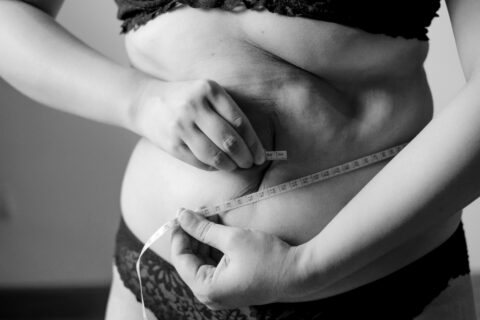
When most people think about weight loss, they picture diets, workouts, and maybe a few popular medications. But at Allure, we see weight loss as much more than just dropping pounds – it’s a tool for regeneration and a key part of peak performance. And there’s more than one way to approach it.
Weight Loss: Where Medicine Meets Lifestyle
Let’s get one thing straight: the foundation of any weight loss plan is what you do at home. Most people who come to us have already tried diet and exercise. Sometimes it works, sometimes it doesn’t. That’s where medical intervention steps in.
Over the last decade, I’ve been constantly searching for new ways to help people lose weight and, maybe, even cure obesity. We tried a little bit of everything, but then something big happened: the introduction of GLP-1 agonists – medications originally designed for type 2 diabetes.
The GLP-1 Revolution
These drugs, known as glucagon-like peptide-1 agonists, were first used to lower blood sugar in diabetics. But doctors started noticing something unexpected: patients were losing more weight than anticipated. Other diabetes medications like Metformin and SGLT2 inhibitors also help with weight loss, but GLP-1s were in a different league.
Researchers then ran studies on people without diabetes. Turns out, you don’t have to be diabetic for these medications to help with weight loss. That’s important, because even before someone qualifies as diabetic, excess weight is already causing damage – more cancer risk, more heart disease, even cognitive decline.
(Alzheimer’s is now sometimes called “type 3 diabetes.”)
Semaglutide and Tirzepatide: What’s the Difference?
You might have heard of semaglutide (Ozempic, Wegovy) and tirzepatide (Mounjaro, Zepbound). Semaglutide came first, but it is expensive and requires a weekly injection. We wondered: Do you really need to take it all the time?
Here’s what we found: the body gets used to these drugs – a phenomenon called tachyphylaxis – so you need more for the same effect. Eventually, you hit a ceiling. The way the manufacturer designed it, you start at a low dose, increase every four weeks, and once you hit the highest dose, weight loss slows and then plateaus.
But what if you cycled the medication? We ran a 13-week program with our staff, most of whom were women. On average, they lost about 14% of their body weight – roughly 1% per week. After those 13 weeks, we stopped the medication and switched to Metformin, a diabetes drug that also helps with weight and increases GLP-1 levels. If someone felt like they needed a boost, they could do another short round of semaglutide.
At the one-year mark, everyone kept the weight off. We then expanded this to larger groups, alternating between cycles of semaglutide and drug-free periods. Each time, the weight loss was a little less dramatic, but we saw a steady step-down in weight – something you don’t get with continuous use. The best part? Using less medication saves money and reduces side effects.