

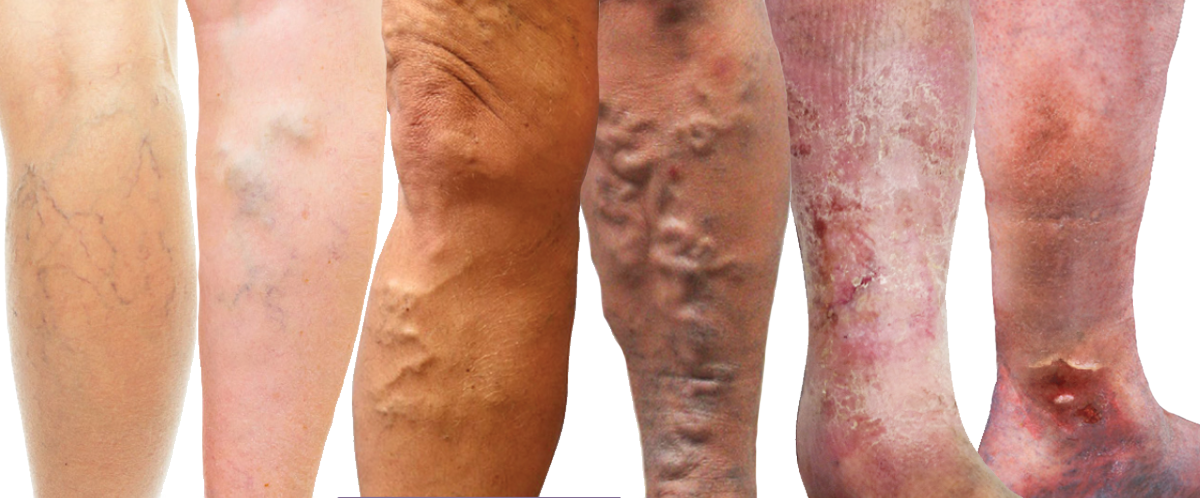
Do you find yourself hiding your legs because of spider veins? Do varicose veins leave your legs feeling heavy, sore, or uncomfortable by the end of the day?
If so, you’re not alone, and you’re not stuck with it.
At Allure Medical, our experienced vein care specialists offer advanced, minimally invasive treatments that target the cause of vein issues – not just what you see on the surface. With locations in Michigan, North Carolina, and South Carolina, we help patients feel comfortable, improve circulation, and feel comfortable showing their legs again.
We take the time to truly understand your symptoms, your concerns, and your goals. Every treatment plan is carefully tailored to you, with a focus on long-term vein health and results you can feel confident about, today and years from now.
What is a Vein Specialist?
A vein specialist (also known as a phlebologist or vascular physician) is a medical doctor trained in diagnosing and treating vein disorders.
Unlike general practitioners or dermatologists, vein specialists have advanced training in venous circulation and minimally invasive procedures. This expertise allows them to identify underlying vein disease and recommend treatments that address the cause, not just what’s visible on the surface.
Choosing a qualified vein specialist ensures you receive comprehensive care and the most effective treatment options.
Explore Our Specialized Vein Treatment Options
Vein concerns can affect more than how your legs look. They can impact how you move, how you feel, and how confident you are in your own skin. The good news is that you have real options that don’t involve surgery or long recovery times.
Allure Medical offers a full range of modern vein treatments in Michigan, North Carolina, and South Carolina. Each option targets different vein conditions and severities, allowing our specialists to create the most effective plan for your needs.
Vein Treatments Services we offer
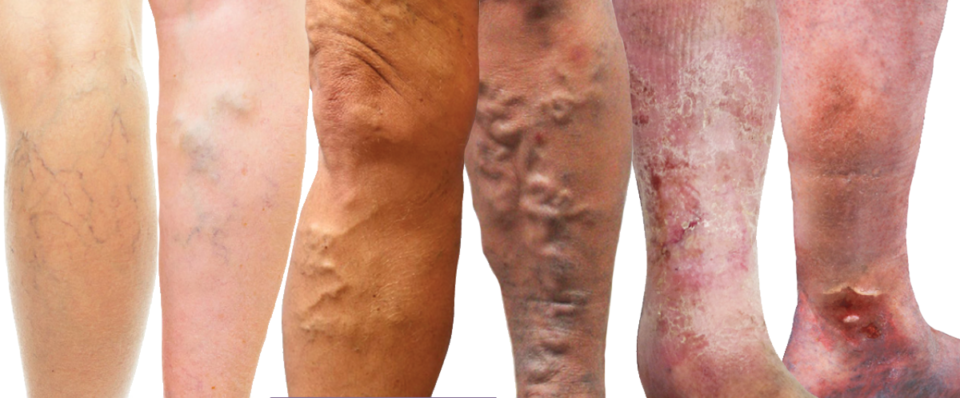

What Conditions Do Vein Treatments Address?
Vein treatments can improve both the appearance of your legs and the health of your circulation. Our vein specialists diagnose and treat a wide range of vein conditions.
Varicose Veins
What are varicose veins? They are enlarged, twisted veins that often bulge beneath the skin and appear blue or purple. They develop when vein valves weaken and allow blood to pool instead of flowing properly.
Besides their appearance, varicose veins can cause aching, throbbing, cramping, swelling, and leg fatigue, and may increase the risk of complications like inflammation, skin changes, ulcers, or blood clots if left untreated.
Spider Veins & Telangiectasias
Spider veins are small red, blue, or purple veins that spread in web-like patterns near the surface of the skin. Telangiectasias are the smallest form of spider veins, often appearing as fine red lines on the legs or face.
While typically cosmetic, widespread spider veins can sometimes indicate underlying venous insufficiency.
Reticular Veins
Reticular veins are bluish-green veins that lie just beneath the skin and often feed spider veins. These veins may cause discomfort on their own and can progress into larger varicose veins without proper treatment.
Chronic Venous Insufficiency
Chronic venous insufficiency occurs when leg veins struggle to return blood to the heart. This can lead to swelling, heaviness, aching, skin discoloration, thickening of the skin, and open sores near the ankles.
Treating the underlying vein dysfunction prevents progression and restores comfort.
Leg Swelling (Edema)
Edema is swelling caused by fluid pooling in the legs, often due to faulty vein valves. Vein specialists determine if circulation issues contribute to swelling and recommend treatments to improve blood flow and reduce fluid buildup.
Venous Ulcers & Skin Changes
Advanced vein disease can lead to skin discoloration, irritation, and slow-healing wounds known as venous ulcers, most commonly around the ankles. We can improve venous circulation for healing and preventing recurrence.
Vein Inflammation (Phlebitis)
Phlebitis is inflammation of a vein, sometimes associated with blood clots. It can cause redness, warmth, tenderness, and swelling. Early evaluation and treatment help reduce discomfort and prevent complications.
Deep Vein Thrombosis (DVT)
This serious condition occurs when a blood clot forms in a deep vein, typically in the leg. Because a clot can travel to the lungs and become life-threatening, prompt diagnosis and management by a qualified specialist is critical.
Vascular Malformations & Vein Tumors
You may have some vein conditions present from birth, or they may develop independently of circulation issues. These include vascular malformations and benign vein tumors such as hemangiomas. Vein specialists diagnose and treat these conditions safely and effectively.
When Should You Consider Vein Treatment?
You may benefit from seeing a vein specialist if you experience:
- Aching, throbbing, or cramping in the legs
- Heaviness or fatigue that worsens throughout the day
- Swelling in the lower legs or ankles
- Visible veins that worsen over time
- Skin discoloration or irritation near the ankles
- Veins that affect confidence or daily activity
Remember, vein problems are not just cosmetic! Early evaluation can protect your long-term vascular health. We are here to help.
Why Choose Allure Medical for Vein Treatment?
Our experienced vein specialists guide your dedicated care, which is backed by proven medical techniques.
With Allure Medical, you can expect:
- Personalized vein treatment plans based on your symptoms and goals
- Non-surgical, in-office procedures with little to no downtime
- Relief from aching, heaviness, swelling, and discomfort
- Improved appearance of spider veins and varicose veins
- Compassionate guidance focused on long-term vein health
If you’re seeking symptom relief, aesthetic improvement, or both, we design our vein treatments to help you move forward comfortably and confidently.
Vein Treatments in Michigan, North Carolina & South Carolina
Allure Medical proudly offers vein treatments across multiple locations, making expert vein care accessible throughout Michigan, North Carolina, and South Carolina. We equip our clinics with advanced technology and our dedicated providers focused on patient comfort, safety, and results.
If you’re searching for vein treatments near you, our team can help determine the best option for your specific needs.
Take the First Step Toward Healthier Legs
You don’t have to live with uncomfortable or unwanted veins. With personalized care and advanced treatment options, Allure Medical helps patients reclaim comfort, confidence, and long-term vein health.
Schedule your vein consultation today and discover which treatment is right for you.
Frequently Asked Questions About Vein Treatments
We know choosing vein treatment comes with questions. Below are some of the most common concerns we hear from patients and the answers that help them feel confident moving forward.
When should I see a vein specialist instead of my primary care doctor?
Your primary care provider can evaluate initial symptoms, but a vein specialist has advanced training in diagnosing and treating vein conditions. If you have visible veins, leg discomfort, swelling, or symptoms that persist or worsen, a specialist helps you decide if treatment is appropriate.
How do I know if my vein symptoms need treatment?
Symptoms such as aching, heaviness, swelling, cramping, or progressively visible veins may indicate an underlying vein issue. A consultation with a vein specialist can help identify the cause and inform you when or if treatment may be beneficial.
Are vein treatments painful?
Most modern vein treatments involve minimal discomfort. We commonly use local anesthesia, and patients often describe sensations as mild pressure or warmth.
How long do vein treatments take?
We perform many vein treatments in our office that typically take less than an hour, depending on the procedure and the number of veins being treated.
Is there downtime after vein treatment?
Downtime is usually minimal. Many patients return to normal daily activities shortly after treatment, though individual recovery recommendations may vary.
Will insurance cover vein treatment?
Some vein treatments may be covered by insurance when they are considered medically necessary. Coverage varies by plan and diagnosis. Our team reviews benefits and determines eligibility.
Do treated veins come back?
Once a vein is successfully treated, it does not reopen. However, new vein issues can develop over time, which is why we may recommend ongoing monitoring and vein care.
How do I know which vein treatment is right for me?
The most appropriate treatment depends on your vein condition, symptoms, and overall health. A consultation and diagnostic evaluation allow your provider to recommend a personalized treatment plan.

