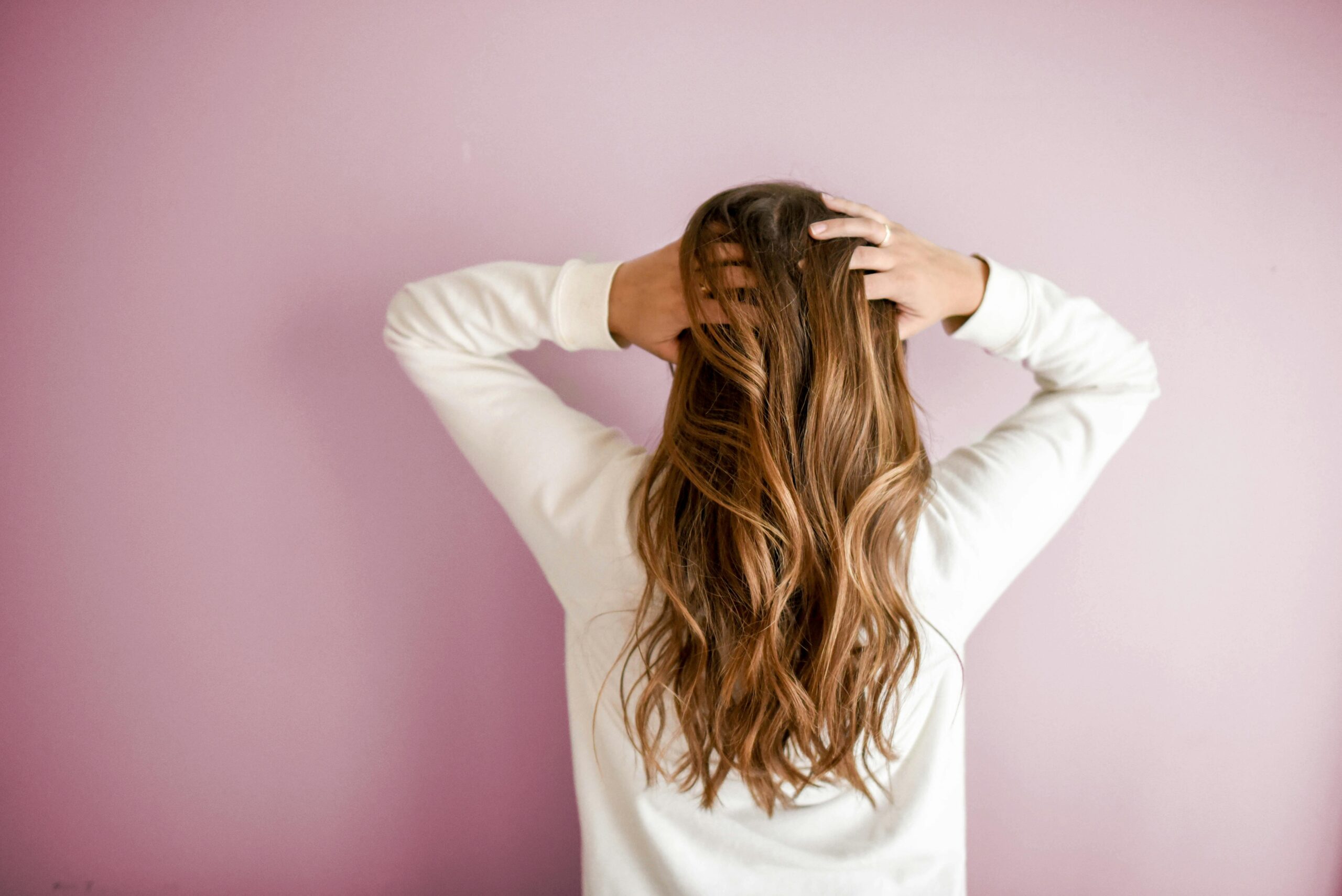
Yes, hormone replacement therapy (HRT) can help with hair loss when the cause is hormonal imbalance, especially during menopause.
By restoring estrogen and progesterone levels, HRT may reduce shedding, strengthen follicles, and promote regrowth over time.
If you’ve been losing more hair than usual or noticing thinning along your part line, you’re not alone.
Many people, especially women approaching or in menopause, ask the same question: does HRT really help with hair loss?
Let’s break down what the science says, when it helps, when it doesn’t, and how Allure Medical takes a personalized approach to restoring hair and confidence through hormone balance.
Understanding Hormonal Hair Loss
Hormonal hair loss often begins during menopause, perimenopause, or other stages of hormonal change.
Estrogen and progesterone, two hormones that support hair growth, naturally decline, while androgen (male hormone) activity can rise.
This shift leads to:
- Shorter hair growth cycles
- Thinner, weaker strands
- Follicle shrinkage due to increased DHT (dihydrotestosterone)
Other common factors include stress, thyroid imbalances, nutritional deficiencies, or genetics.
That’s why identifying the true cause is key before starting treatment.
How HRT Can Help with Hair Loss
Hormone replacement therapy works by rebalancing your estrogen and progesterone levels, helping to counteract the effects of excess androgens.
Here’s how HRT supports hair health:
- Extends the growth phase: Estrogen helps hair stay in the active growth (anagen) stage longer.
- Blocks DHT activity: Progesterone can reduce follicle damage from DHT, a key driver of pattern hair loss.
- Improves circulation: Balanced hormones increase blood flow and nutrient delivery to the scalp.
- Reduces shedding: Stabilized hormone levels can minimize daily hair fall and breakage.
Many people report stronger, fuller hair within several months of consistent HRT under medical supervision.
When HRT May or May Not Help
Not everyone experiences the same results with hormone replacement therapy.
It depends on timing, underlying causes, and the type of hair loss.
| When HRT Helps | When HRT May Not Help |
| Menopausal or perimenopausal hair thinning | Advanced hereditary (androgenetic) alopecia |
| Estrogen or progesterone deficiency | Autoimmune conditions like alopecia areata |
| Early-stage hair loss | Nutrient or thyroid-related hair loss |
| Hair thinning after hormone fluctuations | Scarring or inflammatory scalp disorders |
This comparison highlights why medical evaluation matters.
At Allure Medical, our providers determine if your hair loss is hormonal and whether HRT is the right solution for you.
The Best Types of HRT for Hair Health
There’s no one-size-fits-all formula for HRT.
Different forms may work better depending on your individual hormone profile, genetics, and health status.
Common HRT types include:
- Transdermal estrogen (patch or gel): Delivers steady hormone levels, often preferred for scalp-related benefits.
- Bioidentical hormones: Designed to match your body’s natural hormones, these are well-tolerated and can be customized for optimal results.
- Progesterone therapy: Balances estrogen and helps prevent DHT-driven follicle shrinkage.
At Allure Medical, we specialize in hormone replacement therapy, creating treatment plans tailored to you
Combining HRT with Other Hair Restoration Therapies
HRT can be powerful on its own, but it works best as part of a comprehensive hair restoration plan.
Depending on your needs, Allure Medical may recommend complementary treatments such as:
- Platelet-Rich Plasma (PRP) injections: stimulate follicles with your body’s own growth factors.
- Laser and microneedling therapy: boost scalp circulation and rejuvenate dormant follicles.
- Nutritional optimization: correct deficiencies in iron, zinc, or vitamin D that contribute to hair loss.
- Topical therapies: including minoxidil or compounded formulas to support new growth.
Combining these with HRT often accelerates and amplifies results.
How Long Does It Take to See Results?
Hair growth takes time.
Most patients notice less shedding after 3-4 months of consistent hormone balance, with visible improvement within 6-12 months.
Because hair follicles operate in cycles, steady progress is key, results continue to build as your hormones stabilize and new hair grows in.
What to Expect at Allure Medical
At Allure Medical, we combine advanced hormone therapy with proven hair restoration techniques.
Your journey begins with a personalized assessment that includes:
- Evaluating your current symptoms.
- Customized HRT plan using bioidentical formulations to restore optimal balance.
- Scalp and hair evaluation to determine the best combination therapies.
- Ongoing care and monitoring to ensure continued success.
We offer convenient locations across Michigan, North Carolina, and South Carolina, making it easy to access care near you.
Ready to find out if HRT can help your hair loss?
Schedule your consultation with Allure Medical today.
Lifestyle Tips for Healthier Hair During HRT
While medical treatments make a big difference, healthy daily habits can boost your results:
- Eat a protein-rich diet with plenty of omega-3 fats and iron.
- Reduce stress through meditation, yoga, or walking.
- Prioritize restful sleep to promote hormonal stability.
- Massage your scalp regularly to improve circulation.
- Avoid tight hairstyles, heat damage, and harsh chemicals.
Consistency creates long-term results, inside and out.
The Bottom Line: Does HRT Help with Hair Loss
So, does HRT help with hair loss?
Yes, when hair thinning is caused by hormonal changes, hormone replacement therapy can help regrow thicker, stronger hair by restoring balance to estrogen and progesterone levels.
However, success depends on proper diagnosis and a personalized approach.
That’s why working with experts who understand both hormones and hair health makes all the difference.
At Allure Medical, we take a comprehensive approach that blends hormone therapy, advanced hair restoration, and ongoing support, helping you look and feel like yourself again.
Book your consultation today.
FAQs: Does HRT Help with Hair Loss
What hormone are you lacking if your hair is falling out?
Hair loss is often linked to low levels of estrogen and progesterone, two hormones that support hair growth and strength. When these decrease, as they often do during menopause, the imbalances that happen in androgens like testosterone and DHT can lead to thinning hair or increased shedding. Our hormone therapy aims to restore that balance.
Will HRT make my hair thicker again?
HRT can help make hair thicker if the hair loss is due to hormonal imbalance. By restoring estrogen and progesterone levels, it can slow shedding, strengthen hair follicles, and encourage regrowth over time. Many patients notice improvement in density and texture within several months of treatment.
What is best for menopausal hair loss?
The best treatment for menopausal hair loss often combines HRT with other therapies such as PRP (platelet-rich plasma) treatments, nutritional optimization, and topical growth stimulants. At Allure Medical, we create personalized plans that address all underlying factors, not just hormones.
Which female hormone helps with hair growth?
Estrogen is the primary hormone that supports hair growth by extending the active growth phase of hair follicles. Progesterone also plays a key role by balancing estrogen and helping to reduce DHT’s impact on the scalp. Together, they promote stronger, fuller hair.
What does low estrogen hair loss look like?
Low estrogen hair loss typically appears as diffuse thinning across the scalp rather than distinct bald patches. You may notice more hair in the shower drain or a widening part line. Hair may also become dry, brittle, or slower to grow compared to before menopause.
What are the first signs that HRT is working?
The first signs that HRT is working can include reduced hot flashes, better sleep, improved mood, and over time, less hair shedding. It usually takes several months for hormone levels to stabilize and for hair growth cycles to catch up, so patience is important.
Side effects of stopping HRT suddenly?
Stopping HRT abruptly can cause hormones to fluctuate quickly, which may trigger a return of menopause symptoms like hot flashes, mood swings, and potential hair shedding. If you ever need to discontinue HRT, it’s best to taper off under medical supervision to minimize side effects.